What Counts as a Bulk-Buy or Refill Store
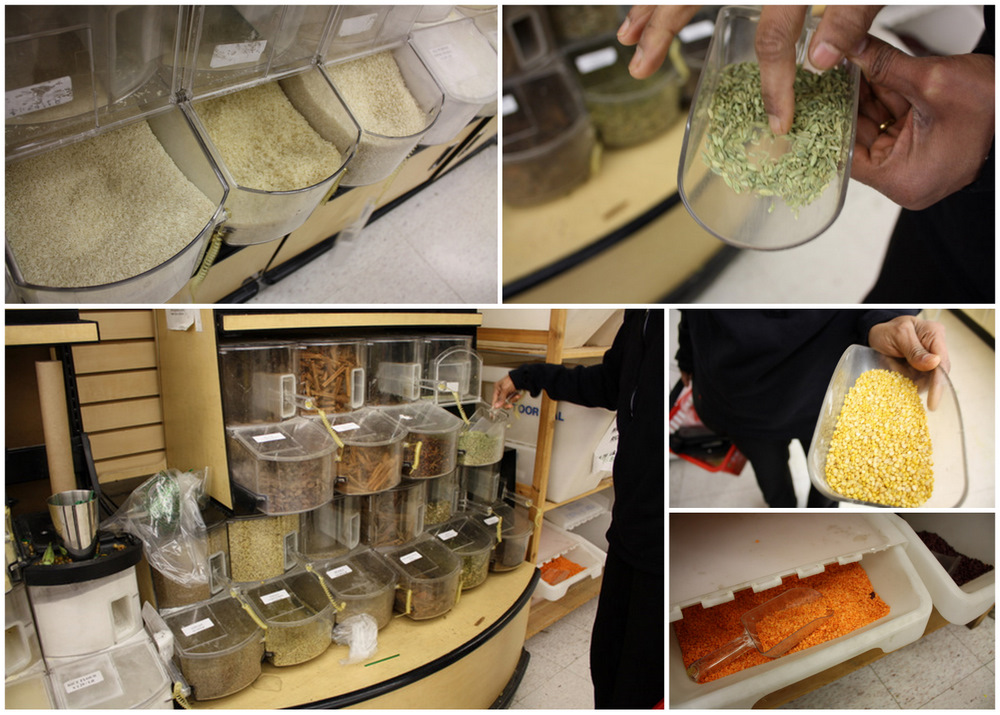
The term "bulk store" covers several different formats. The traditional bulk food aisle — common in Canadian grocery chains since the 1980s — allows customers to dispense dry goods like grains, nuts, and spices into provided plastic bags. That format has gradually given way to a newer model where customers bring their own containers, weigh them empty at the counter, fill them from dispensers, and pay only for the product weight.
Dedicated zero-waste or package-free stores go further. They typically stock liquid refill stations for dish soap, laundry detergent, shampoo, and conditioner alongside dry goods. Some carry personal care items like loofah sponges, bamboo toothbrushes, and solid shampoo bars. The defining characteristic is that virtually nothing in the store comes pre-packaged in single-use plastic.
A third category has emerged since 2020: online refill delivery, where empty containers are picked up, refilled at a depot, and returned. Several services of this kind operate in Toronto, Vancouver, and Calgary.
How to Locate Stores in Your Area
No single national directory of bulk and refill stores exists for Canada, but several resources help with the search. The Zero Waste Canada network maintains a partial list of members and affiliated stores. The Litterless bulk-store directory covers Canada and the United States with province-by-province listings updated periodically by volunteers. Google Maps searches for "bulk food store," "zero waste shop," or "refill store" combined with a neighbourhood name generally return useful results.
In cities with active zero-waste Facebook groups or local Reddit communities — Toronto, Vancouver, Ottawa, Calgary, and Halifax all have active ones — members regularly post when new refill stores open and share practical experience about which stores carry specific products.
British Columbia
Greater Vancouver has one of the densest concentrations of zero-waste stores in Canada. The Soap Dispensary in Vancouver's East Side has operated since 2011 and was among the first dedicated refill stores in the country. Unpackaged in North Vancouver, The Raw Elements in Squamish, and several others now supplement the original network. Victoria also has multiple dedicated refill shops, reflecting the city's active zero-waste community.
Ontario
Toronto's refill store landscape has grown significantly since 2015. Stores like The Unboxed Market in Leslieville, Bare Market locations, and Bulkhead in Kensington Market represent the range available. Hamilton, Kingston, Ottawa, and Guelph each have at least one dedicated package-free or refill shop. In smaller cities and towns, the bulk section of a well-stocked natural food store often serves the same function, even if the store is not exclusively zero-waste.
Quebec
Montreal has a growing network of zero-waste stores concentrated in the Plateau, Mile End, and Rosemont neighbourhoods. Épicerie Loco and Vrac&Fie are among the better-known options. Quebec City and Sherbrooke each have a small number of stores that carry bulk dry goods and some refill options. Language should not be a barrier — most Montreal zero-waste store staff work in both French and English.
Prairie Provinces and Atlantic Canada
Calgary, Edmonton, Winnipeg, and Saskatoon all have at least one dedicated refill or bulk store, though density is lower than in coastal cities. The Bulkhouse in Calgary and The Refillery in Edmonton are well-documented options. In Atlantic Canada, Halifax has a small but established zero-waste store presence, and Fredericton and Moncton have occasional pop-up or farmer's market vendors who operate on a refill basis.
What to Bring and How Refill Systems Work
Most dedicated zero-waste stores use a tare weight system. You bring your own clean container — a glass jar, a cloth bag, a stainless steel tin — and the cashier weighs it before you fill it. After filling, the container is weighed again, and you pay for the product weight only. Some stores provide containers for purchase if you arrive without one.
For liquid products, stores typically require a clean, sealable container. Glass jars with metal lids work well. Wide-mouth mason jars in 500 mL and 1 L sizes fit most liquid dispenser nozzles without difficulty. Avoid containers with strong residual odours from previous use, as these can affect the product flavour.
Practical Preparation Before Your First Visit
- Check the store's website or social media to see what product categories they carry before making a special trip.
- Bring a range of container sizes — small jars for spices, medium jars for grains, larger bags for flour or dog food.
- Label empty containers with their tare weight at home if you know it, though most stores will weigh them for you.
- Ask staff which products are popular or seasonal — refill stores often rotate stock based on supplier availability.
- Many stores accept returns of spent containers (e.g., olive oil bottles) for reuse or recycling through their own channels.
Price Comparison with Conventional Grocery Shopping
Bulk and refill products are not always cheaper than packaged alternatives. Prices vary considerably by product and store. Dry goods like rolled oats, lentils, and rice are frequently competitively priced or cheaper in bulk. Specialty oils, some cleaning products, and organic grains may cost more per unit than their supermarket equivalents.
The cost comparison also depends on how waste is factored in. Buying exactly the quantity needed — particularly for spices and specialty ingredients used infrequently — means less food spoilage and fewer half-empty packages at the back of the pantry. Over time, households that track their spending often find bulk purchasing comparable or slightly cheaper in total, even where per-unit prices appear higher.
Conventional Grocery Chains with Bulk Sections
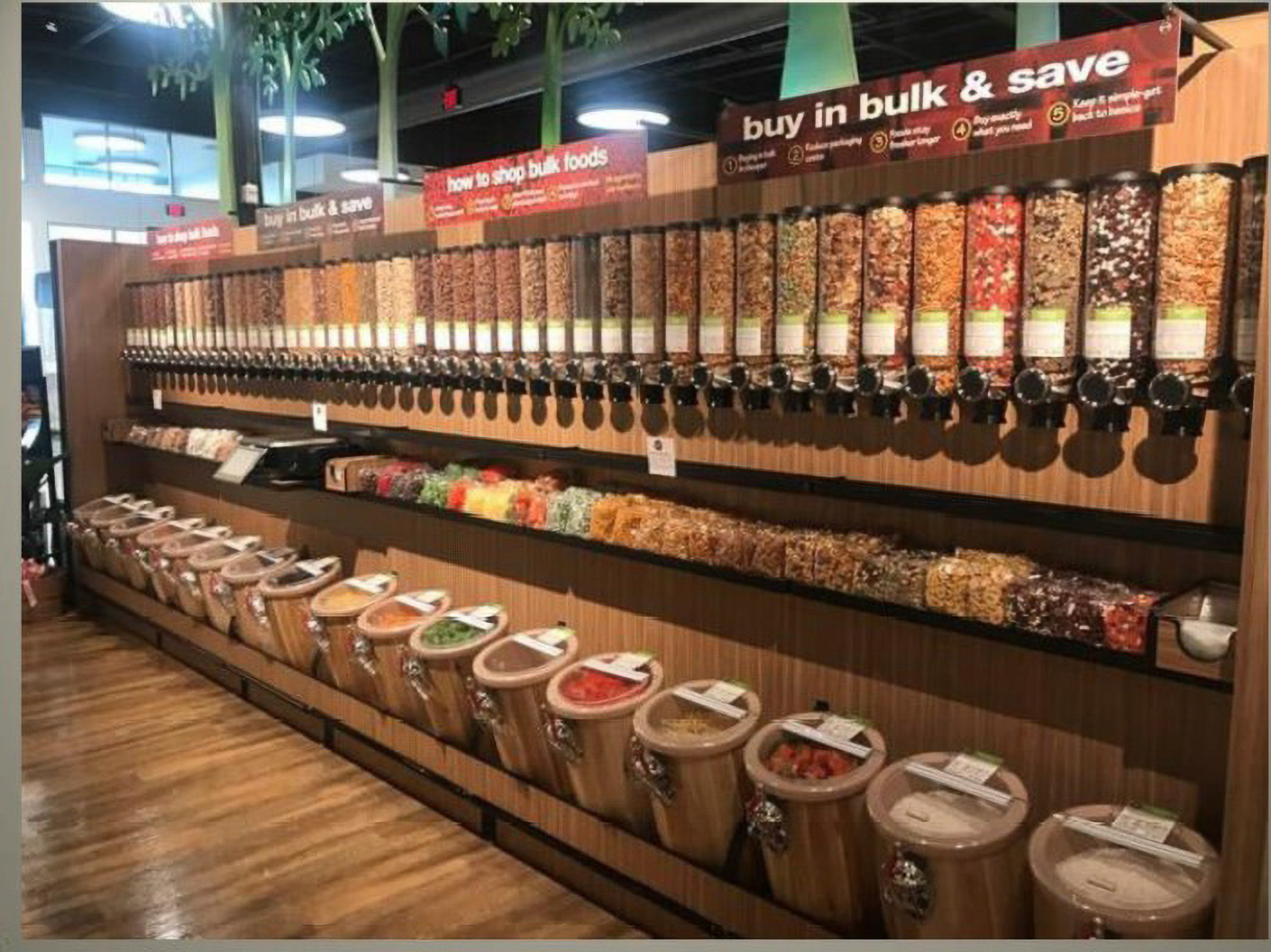
Not every household has a dedicated refill store within practical distance. Several mainstream grocery chains in Canada maintain substantial bulk sections that, while not package-free overall, allow customers to purchase dry goods without individual packaging. Bulk Barn, with over 300 locations across Canada, is the largest dedicated bulk food retailer in the country. Many Real Canadian Superstore, Loblaws, and Metro locations also have bulk dry goods sections, though the bring-your-own-container policy varies by store and was disrupted during the 2020–2022 period before returning at most locations.
For liquid products, conventional chains rarely offer refill options. This segment remains primarily the domain of dedicated zero-waste and natural food stores.
Tracking What You Buy in Bulk
One practical advantage of bulk purchasing is the ability to monitor household consumption patterns precisely. When you refill a 500 mL jar of olive oil every three weeks, that is a concrete, measurable datum. Some households maintain a simple spreadsheet noting the date, container size, product, and cost of each refill purchase. Over a year, this creates a reasonably accurate picture of food habits and costs — useful for meal planning and budgeting independently of any waste-reduction goals.