This site provides general information about zero-waste living for educational purposes only. Individual results and local availability may vary.
Zero-Waste Living · Canada

Practical Approaches to Reducing Household Waste in Canada

From locating bulk-buy stores in your city to managing a worm bin in a one-bedroom apartment — this reference covers the concrete steps Canadians are taking to cut packaging waste and track their progress over time.

Three Areas Worth Knowing

Each topic addresses a specific part of reducing household waste — applicable whether you live in a downtown condo or a suburban house.

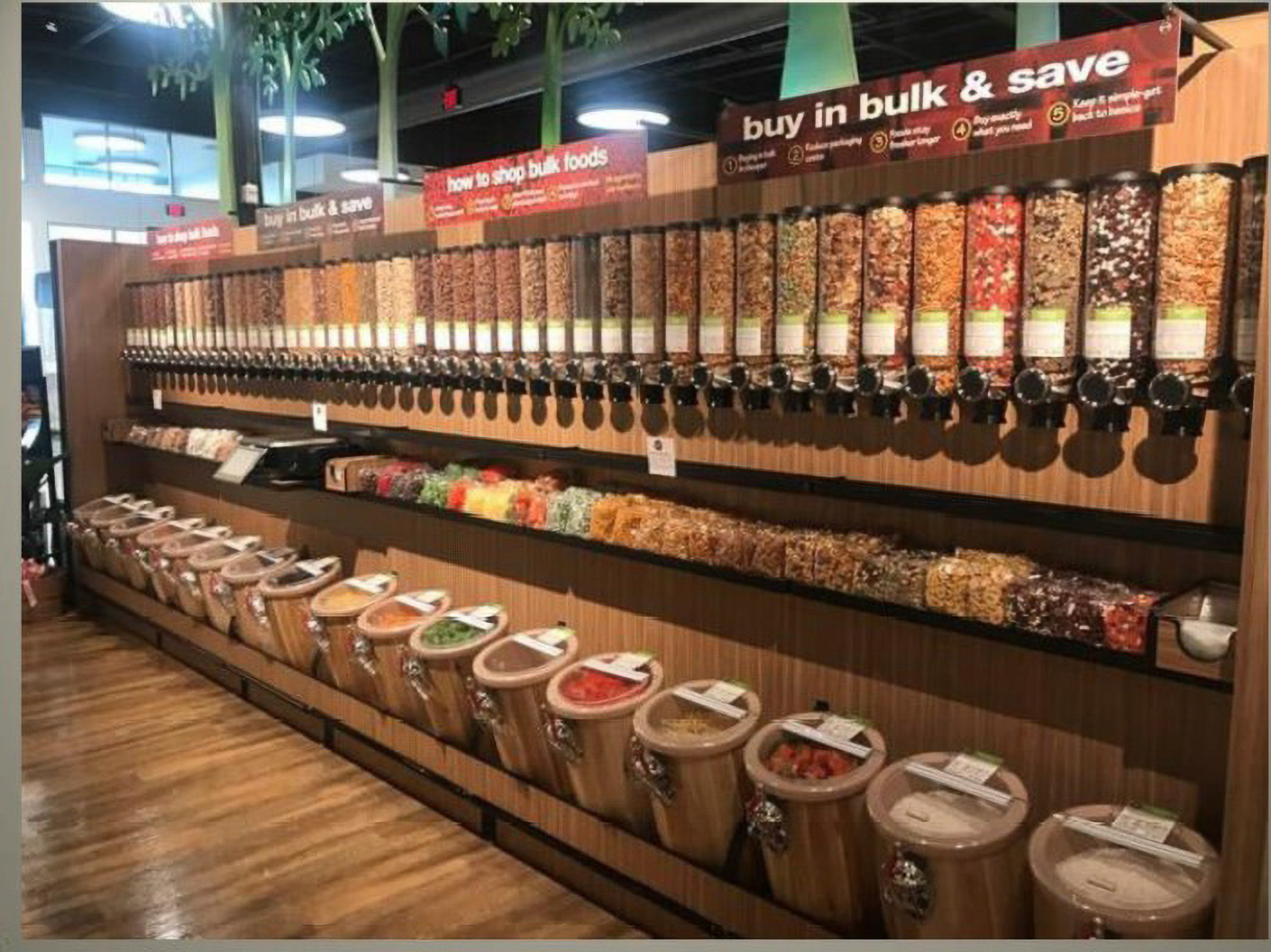
Bulk foods section at a grocery store

How to Find Bulk-Buy Stores Across Canada

Bulk-food stores and refill shops have expanded steadily across Canadian cities since 2018. This overview explains what to look for, how refill systems work, and which regions have the densest concentration of package-free options.
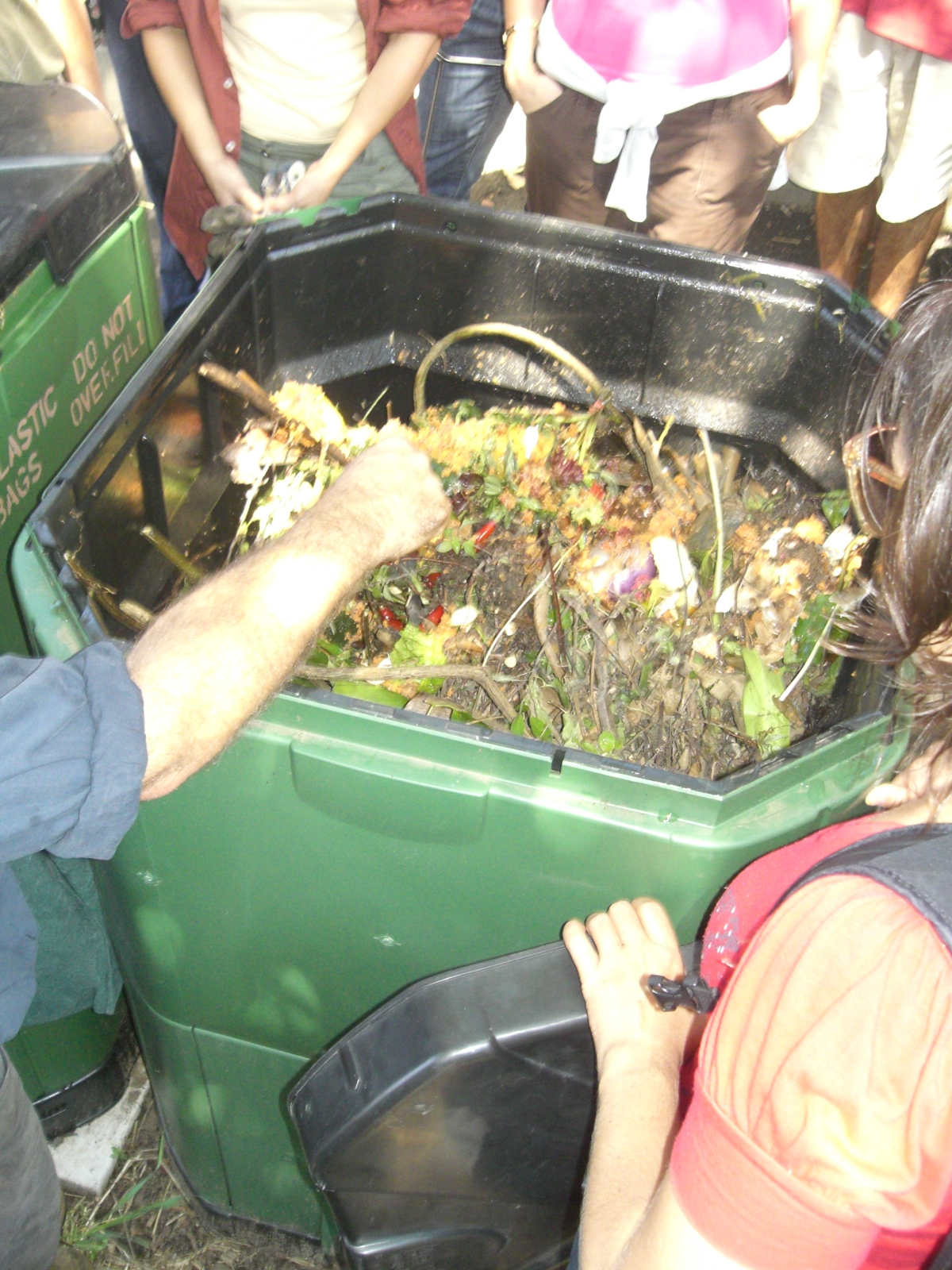

Compost bin for kitchen scraps

Composting in Small Spaces: Apartments and Condos

Composting does not require a backyard. Worm bins, bokashi buckets, and municipal green bin programs make it possible to divert food scraps from landfill even in a studio apartment. This article compares each method by cost, maintenance, and output.

Reusable bags used at a beach cleanup

Reducing Single-Use Plastics at Home: A Room-by-Room Look

Single-use plastics accumulate most in kitchens, bathrooms, and laundry rooms. This article identifies the highest-volume items in each room and describes the durable alternatives that Canadians have found to be practical over multiple years of use.

Canada's Single-Use Plastics Regulations

Canada's Single-Use Plastics Prohibition Regulations, in force since 2023, banned the manufacture and import of six categories of single-use plastics: checkout bags, cutlery, foodservice ware made from problematic plastics, ring carriers, stir sticks, and straws (with exceptions for medical use). The regulations are enforced by Environment and Climate Change Canada under the Canadian Environmental Protection Act. Household waste reduction efforts align with these federal measures, though individual action extends considerably further than what legislation covers.

Environment Canada — Single-Use Plastics

Common Approaches to Package-Free Living

Different households start from different points. These three categories cover the most documented methods among Canadian households attempting to reduce packaging waste.

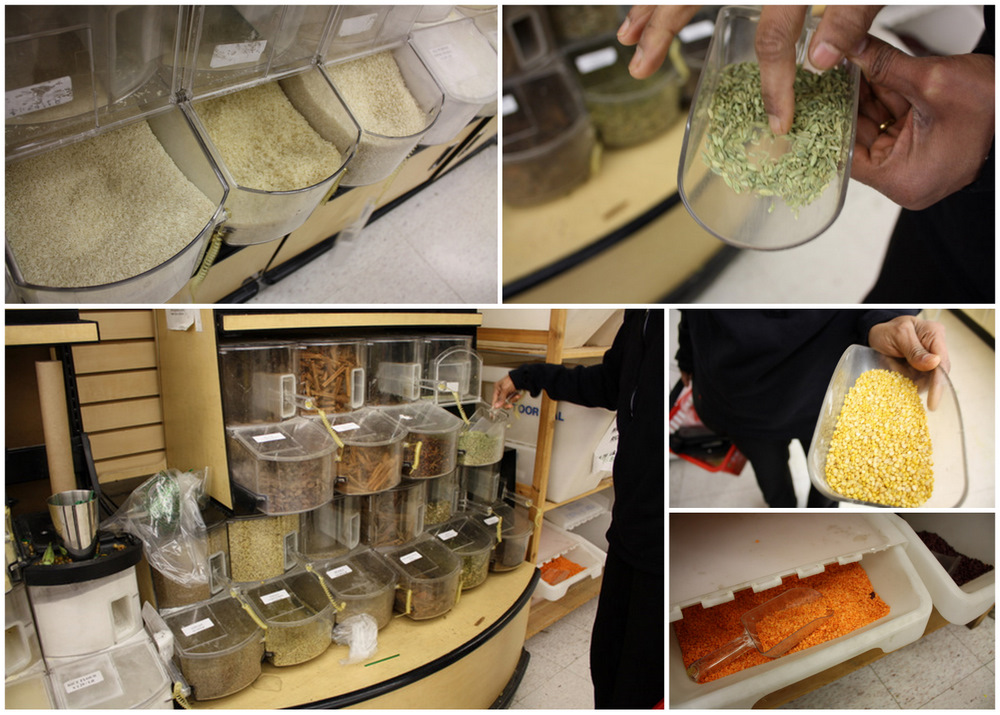
Dry food dispensers at a bulk food market

Shopping

Refill and Bulk-Buy Stores

Stores equipped with dry-good dispensers, liquid refill stations, and bring-your-own-container policies. Grains, legumes, nuts, oils, cleaning products, and personal care items can all be purchased without packaging in well-stocked refill shops.

Vermicomposting worm bin

Composting

Indoor Composting Systems

Worm bins (vermicomposting) and bokashi fermentation systems process kitchen food scraps into usable compost or pre-compost material. Both work in apartments without producing noticeable odours when managed correctly.

Recycling centre with sorted materials

Waste Tracking

Household Waste Audits

A waste audit involves collecting and categorising all household waste over a defined period — typically one to four weeks — to identify the highest-volume categories. Results are used to prioritise where to focus reduction efforts first.

Municipal Green Bin Programs in Canada

Most large Canadian municipalities operate organics collection programs that accept food scraps alongside yard waste. Toronto's Green Bin program, launched in 2002, now processes over 130,000 tonnes of organic material annually at the Dufferin Organics Processing Facility. Vancouver's Food Scraps program collects from over 95% of households. Halifax Regional Municipality has operated a curbside organics program since 1999 — one of the longest-running in the country. These programs divert organic material from landfill regardless of whether residents compost at home, making them a reliable baseline option for food waste management.

Composting Methods Compared

Key Facts About Waste in Canada

Context drawn from Environment and Climate Change Canada data and municipal reporting.

Plastic Waste

3 Million Tonnes Annually

Canada generates approximately 3 million tonnes of plastic waste each year. Less than 10% of that is recycled domestically. The majority goes to landfill, incineration, or — in smaller quantities — ends up in the environment.

Food Waste

58% of Food Is Lost or Wasted

According to Second Harvest research, 58% of all food produced in Canada is lost or wasted annually — roughly 35.5 million tonnes. About one-third of that is avoidable at the household level through better meal planning and proper storage.

Bulk Shopping

Growing Refill Network

The number of dedicated package-free and refill stores in Canada grew considerably between 2017 and 2024, with concentrations in Vancouver, Toronto, Montreal, and Victoria. Many conventional grocery chains have also expanded bulk sections in response to consumer demand.

Starting Points for Reducing Packaging Waste

The three articles on this site cover the most practical entry points — finding bulk stores nearby, setting up indoor composting, and auditing single-use plastics room by room.

Read the Plastics Overview